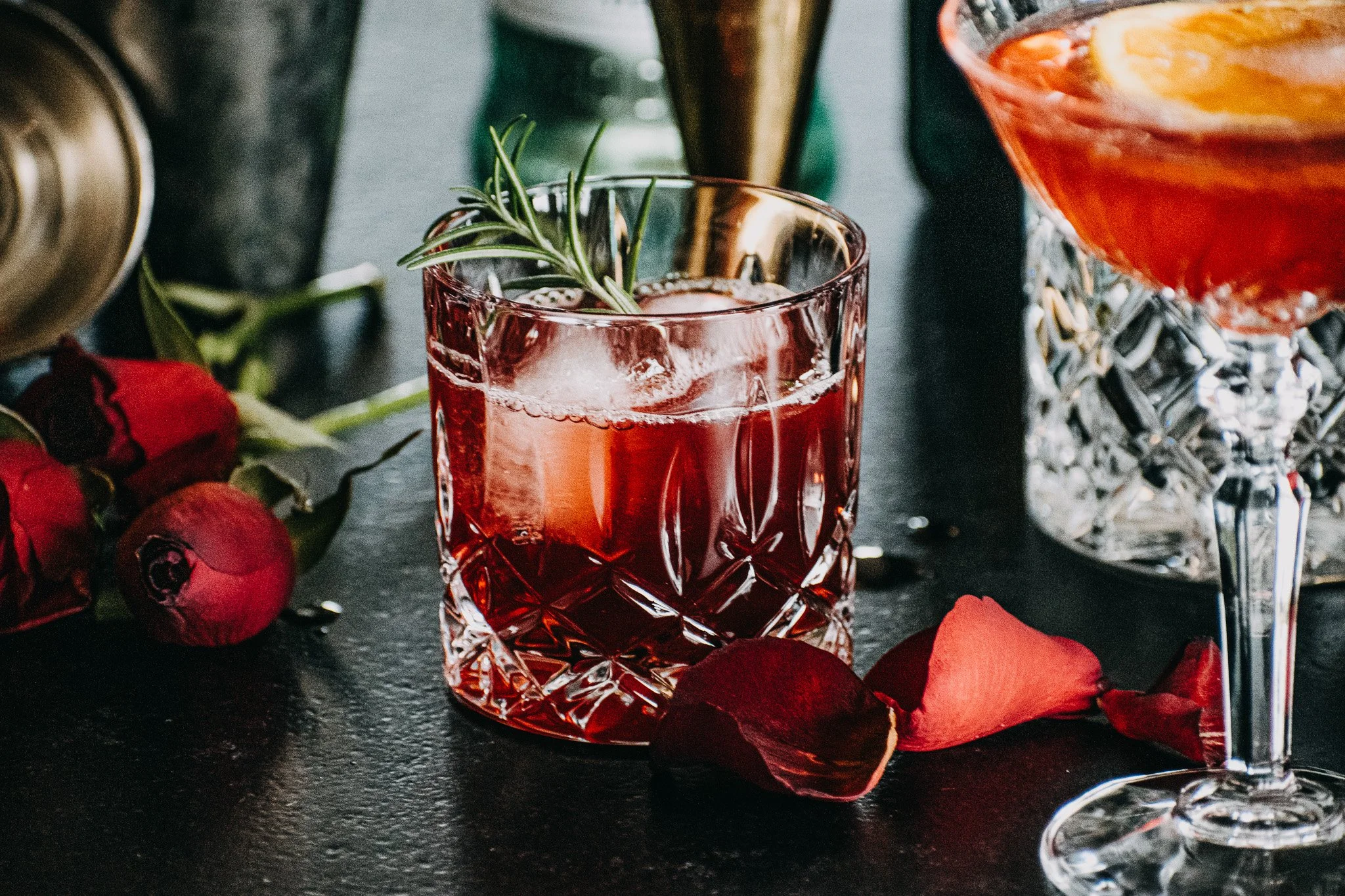
Homemade Sloe Gin & Negroni Cocktails
Jump to Recipes:
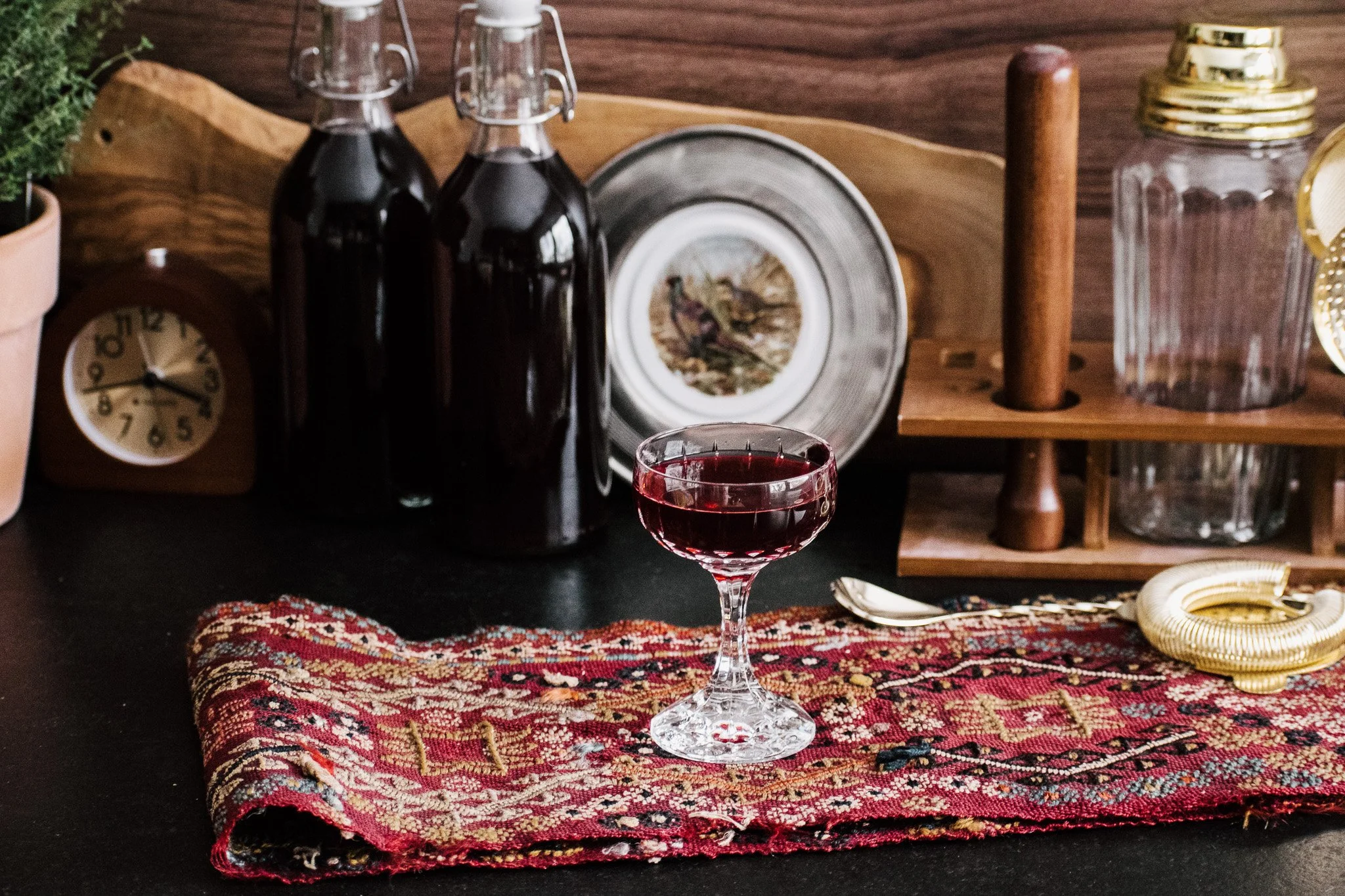
Every autumn in Germany, the hedgerows blush blue.
You suddenly notice these dusty, midnight blue berries clinging to extremely painful thorny-ass branches. Out of curiosity one day, I did a not-so-thorough google search of “are these berries poisonous?” I wasn’t entirely confident that I was researching the correct shrubs, but confident enough to taste one anyway once google replied with “probably not poisonous”.
It was disgusting, horribly bitter, and hard as a rock. They look like innocent blueberries, but they are most certainly not.
I waited about 30 minutes to be sure I wasn’t going to die, then began to do some digging. I learned that they are, in fact, Sloes… also known as Blackthorn (or in German, ‘Schele’). And once you start noticing them, you see them everywhere. Along walking paths and between fields, lining quiet country roads like a living fence. Which I’ve come to learn, is one of the ways they were used.
In medieval Europe, including what is now Germany, sharp thorny hedges of blackthorn, hawthorn, and other shrubs were intentionally planted to mark property boundaries and contain livestock. Before neat wooden fences and surveyor maps, you planted something spiky and let nature enforce your borders. They’re like the quiet bureaucrats of the medieval countryside, planted with purpose while guarding fields for centuries. So in traditional German style, if it’s not broken, don’t fix it… which is why you still see so many of these shrubs around to this day, imagining all the property lines from hundreds of years ago.
And lucky for us, they produce berries.
What Were Sloes Used For?
Historically, sloes were not eaten raw… unless you’re like me and enjoy a bit of suffering. Instead, they were used to:
Infuse alcohol (sloe gin being the most famous)
Make medicinal tonics and cordials
Produce jams and jellies
Create fabric dyes
Support hedgerow ecosystems (save the bees!)
In Britain, sloe gin became a country tradition, a way to preserve the harvest and make winter a little more tolerable. In Germany, similar berry infusions have long existed under the umbrella of Schlehenlikör. Every farmhouse had some version of “mysterious dark bottle aging in the cupboard”, and now we’re one of them.
Sadly, somewhere along the way, especially in the United States, sloe gin developed… a reputation.
In the US, “sloe gin” often means a neon-red, syrupy liqueur lurking on the bottom shelf of a liquor store, covered in dust. It costs about 5 cents and a handshake, and there’s a reason why. It’s sweet, too sweet. The kind of bottle you buy once to try it because it’s cheap, then ignore for five years because it resembles children’s Robitussin cherry cough syrup.
But that’s not real sloe gin.
Real sloe gin is tart, complex, gently bitter, almond-scented from the stones of the fruit, and deep ruby in color. And thankfully, it’s having a comeback, especially in craft cocktail culture.
Which brings us to the best part.
You can make it yourself.
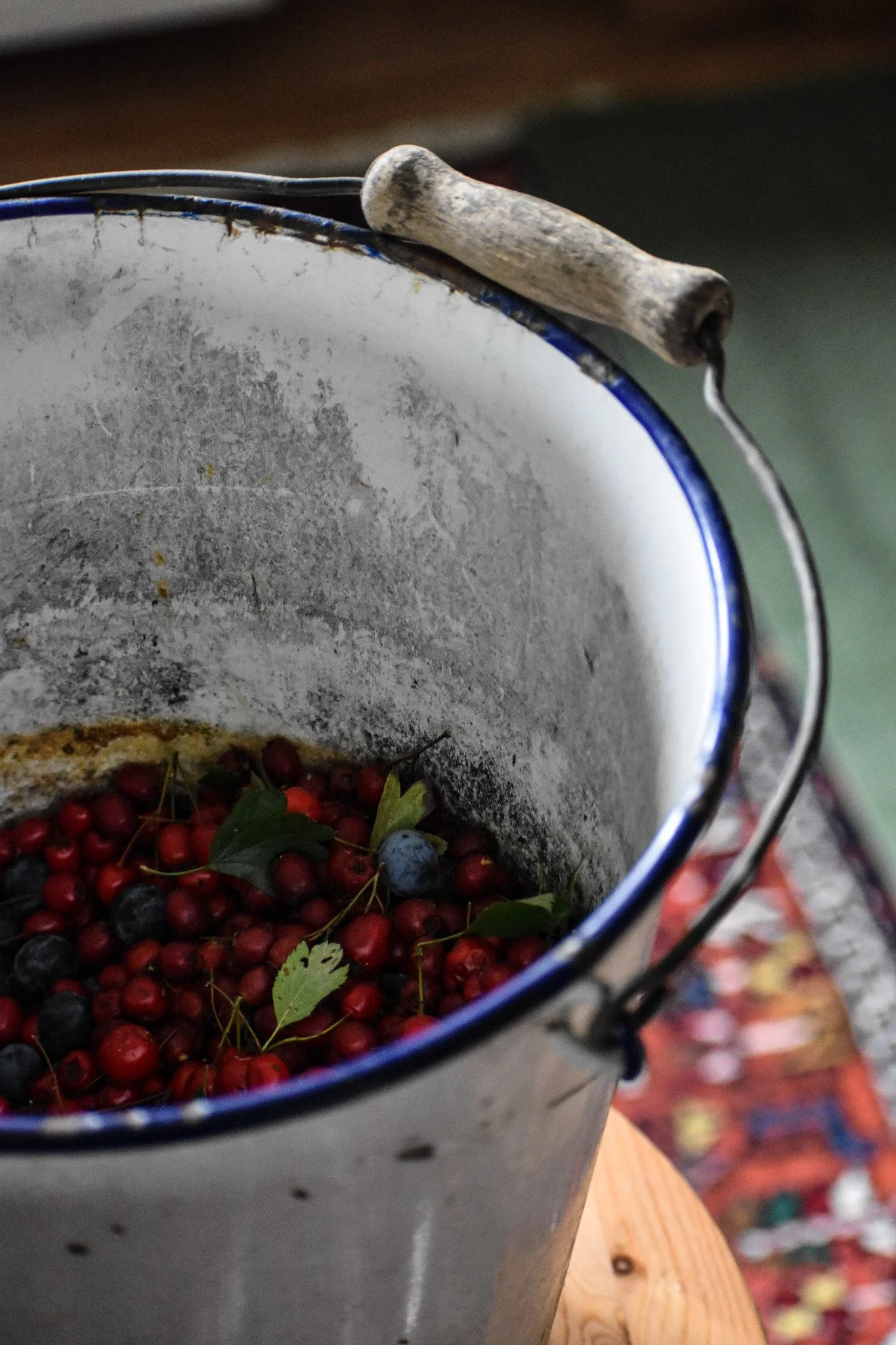
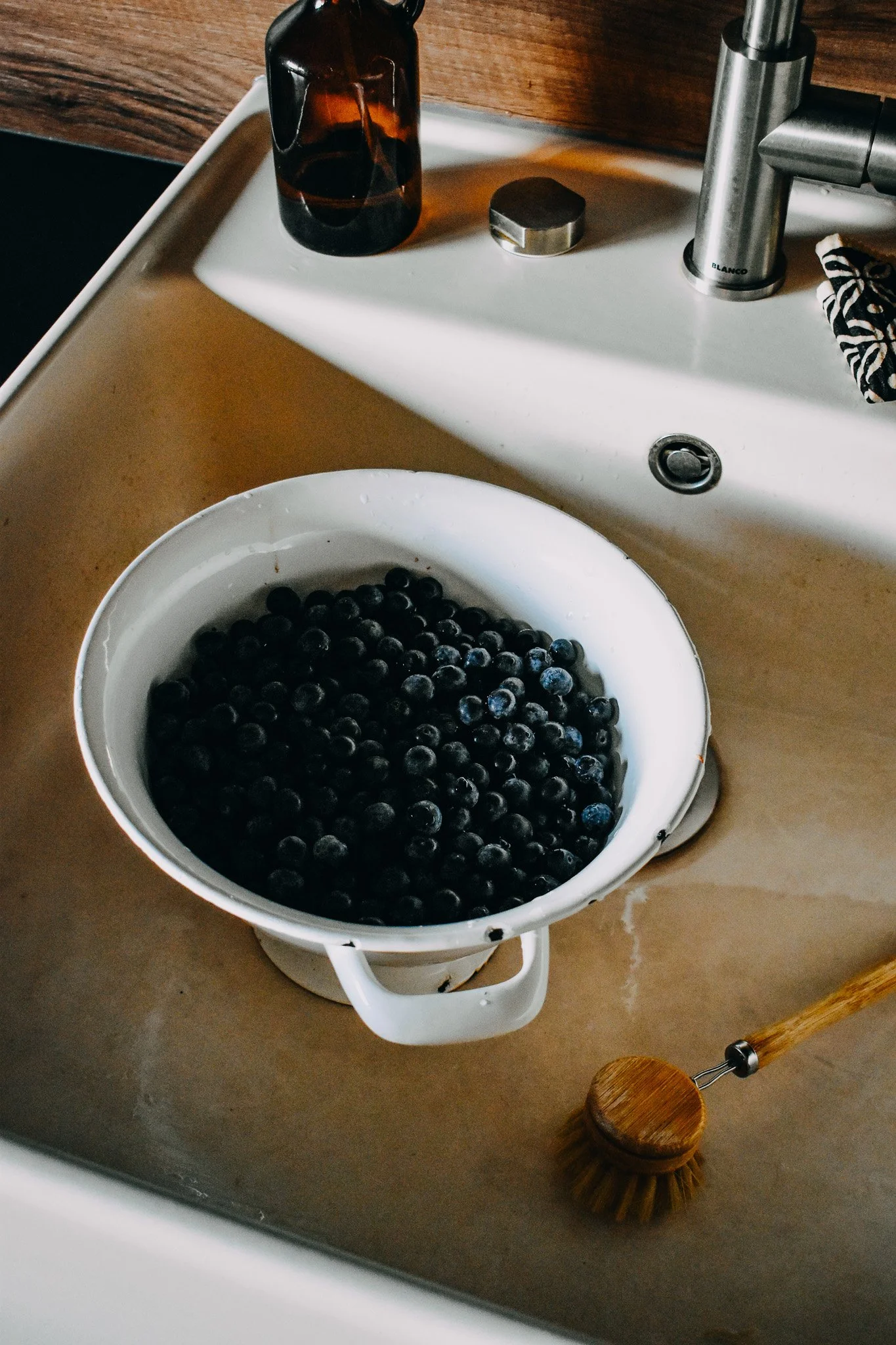
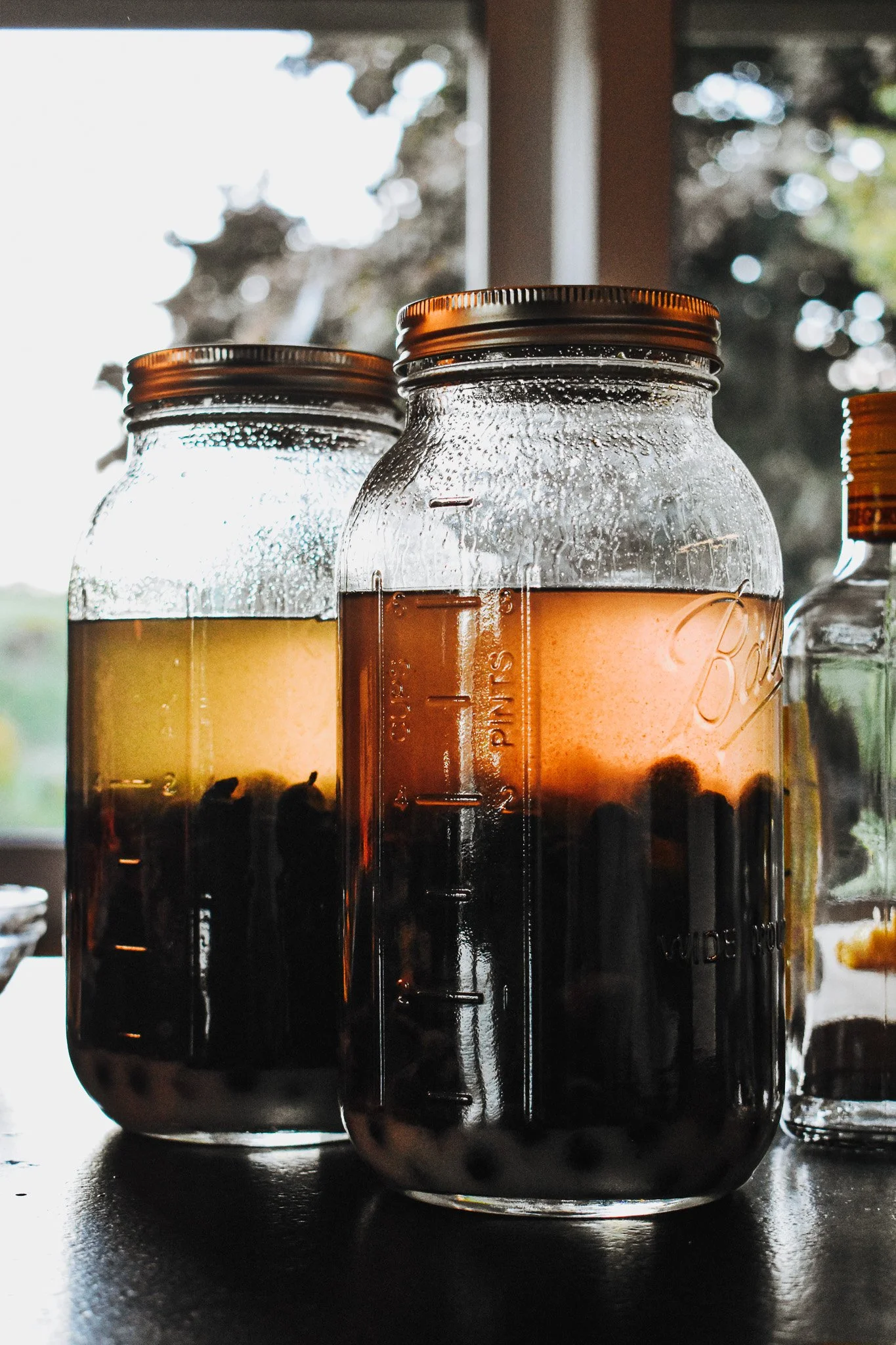
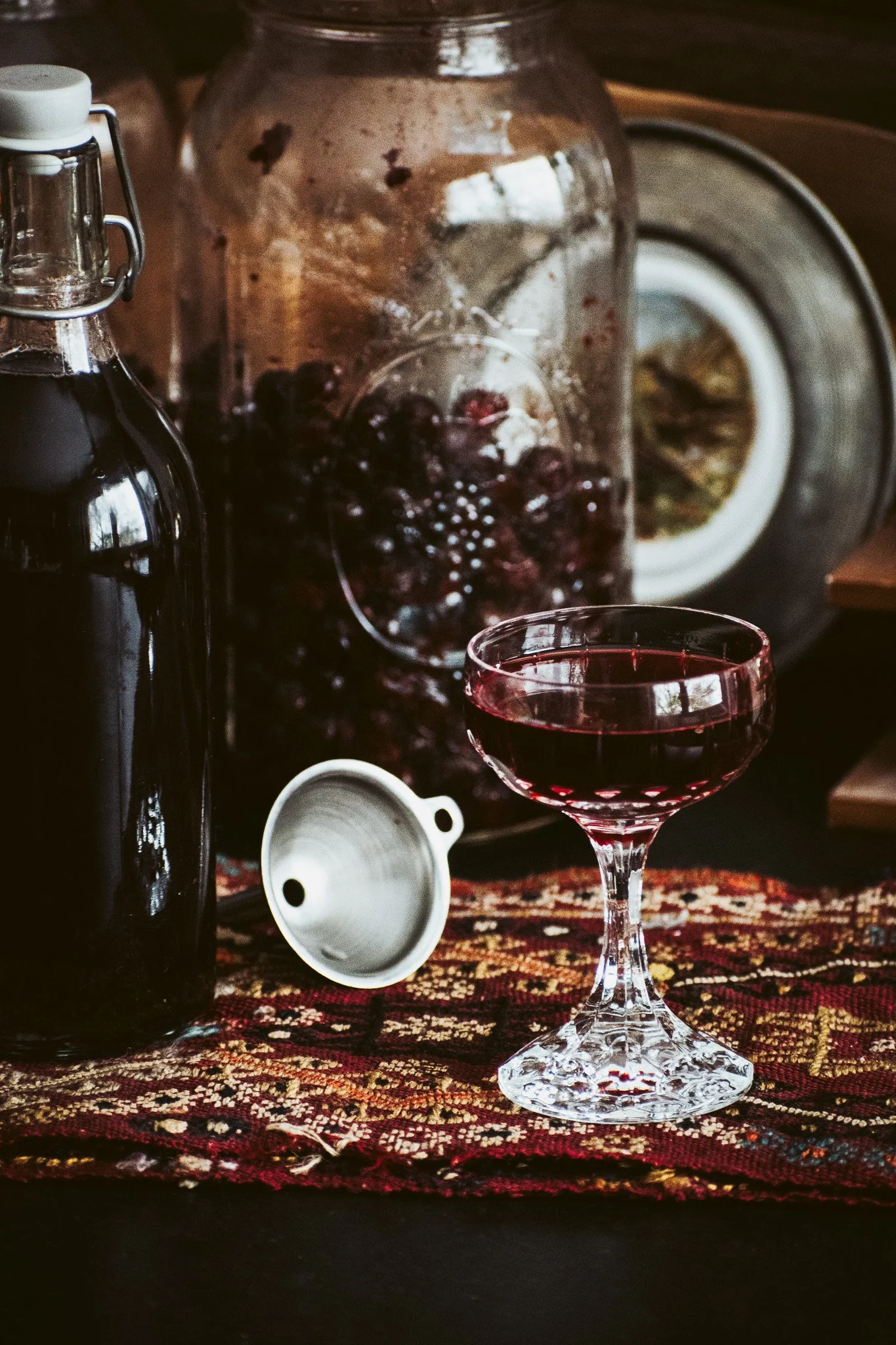
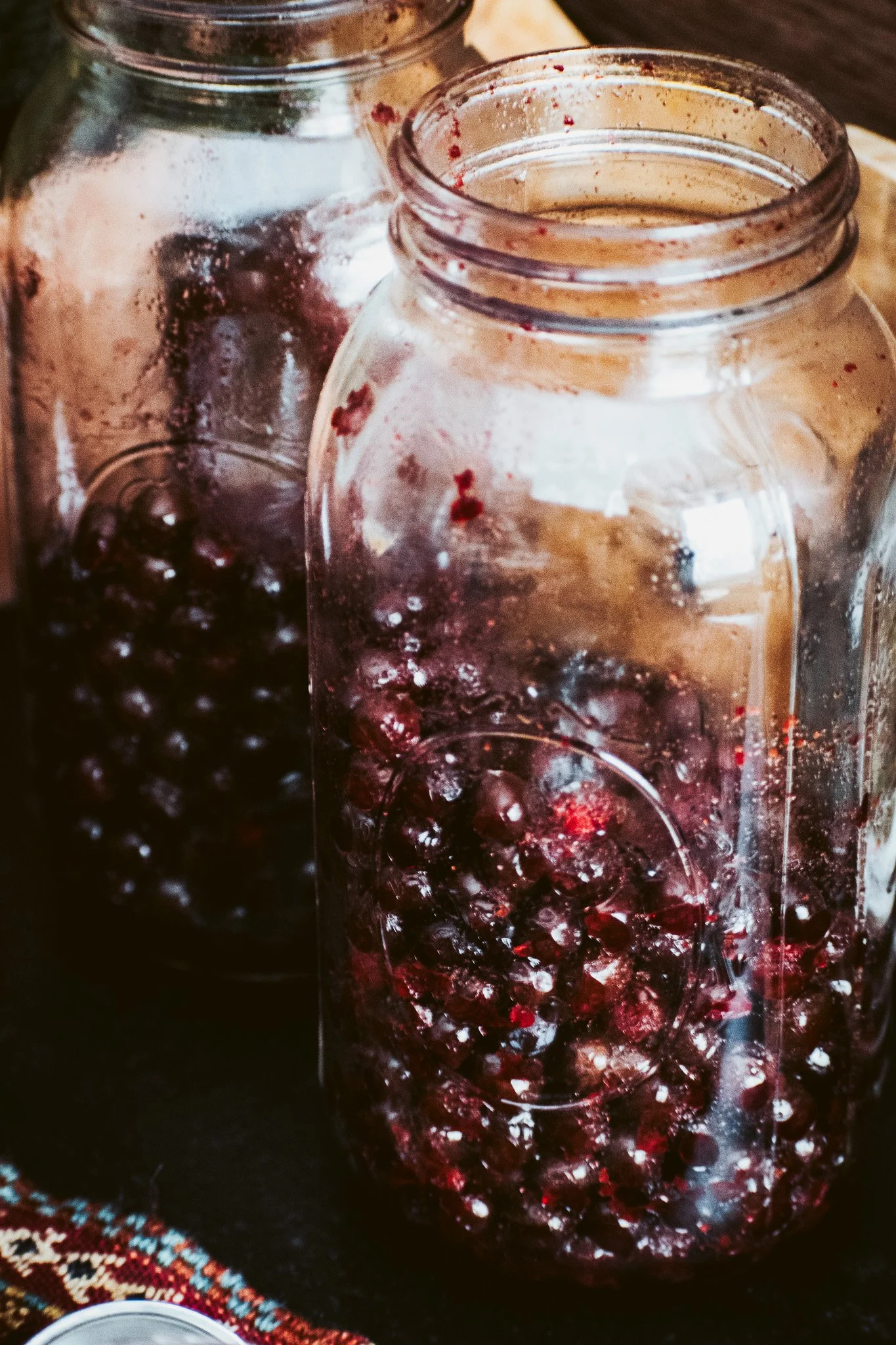
If you happen to come across sloe berries, here is a simply recipe for traditional homemade Sloe Gin:
Ingredients (per bottle of gin (.70l))
1 x 2-liter Mason Jar or glass container with wide mouth
500 g fresh sloes, left whole
250 g sugar
700 ml gin (any inexpensive gin will work)
Method
Wash and dry the sloes. If soft already, lightly press just enough to split some of the skins. Do not mash them.
Add sloes and sugar to a large jar.
Pour gin over until fully submerged.
Seal and shake.
Store in a cool, dark place for 2–6 months (shake every couple weeks).
Strain, bottle, and enjoy.
That’s it… Medieval fence fruit. You’re welcome.
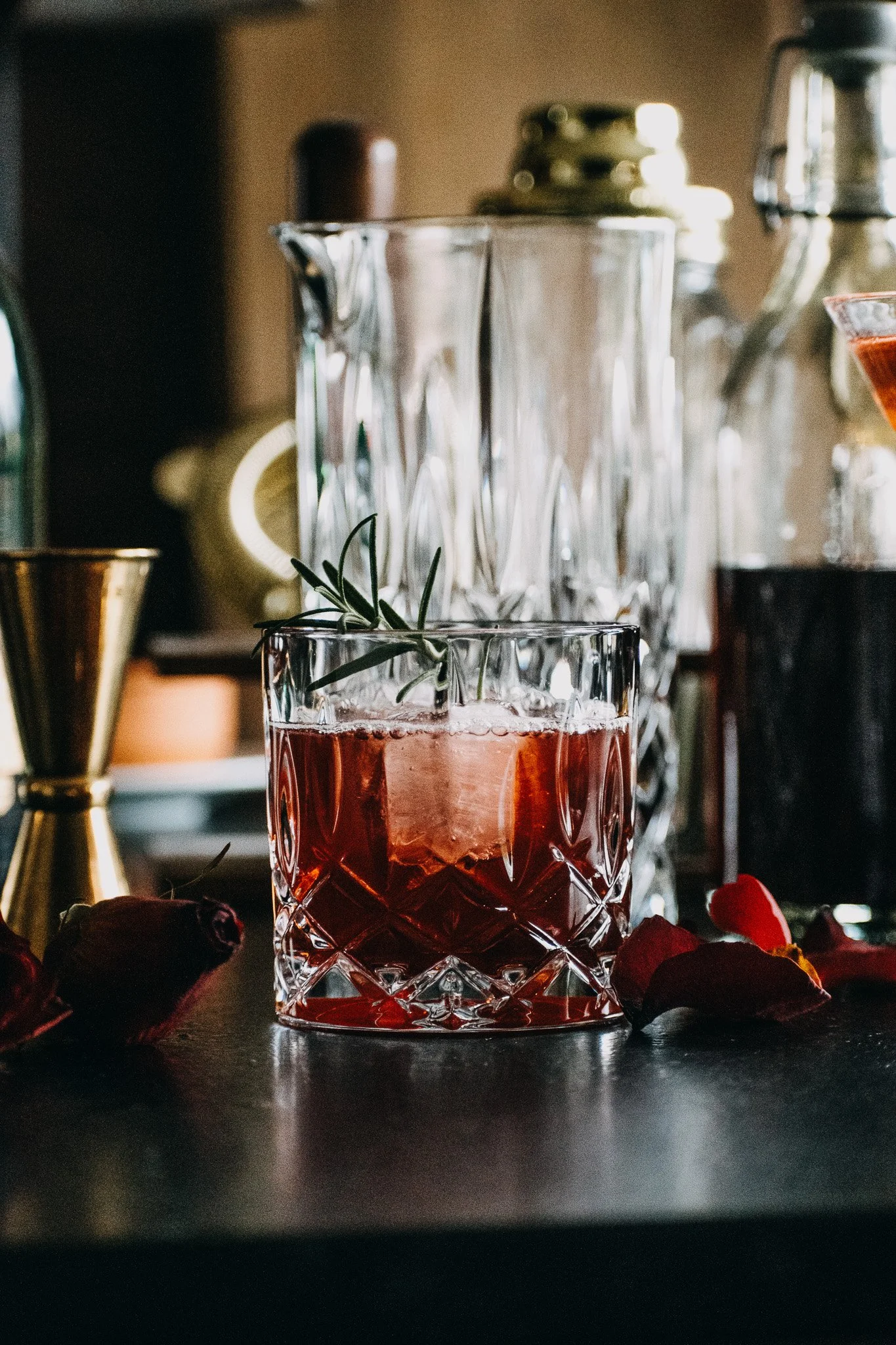
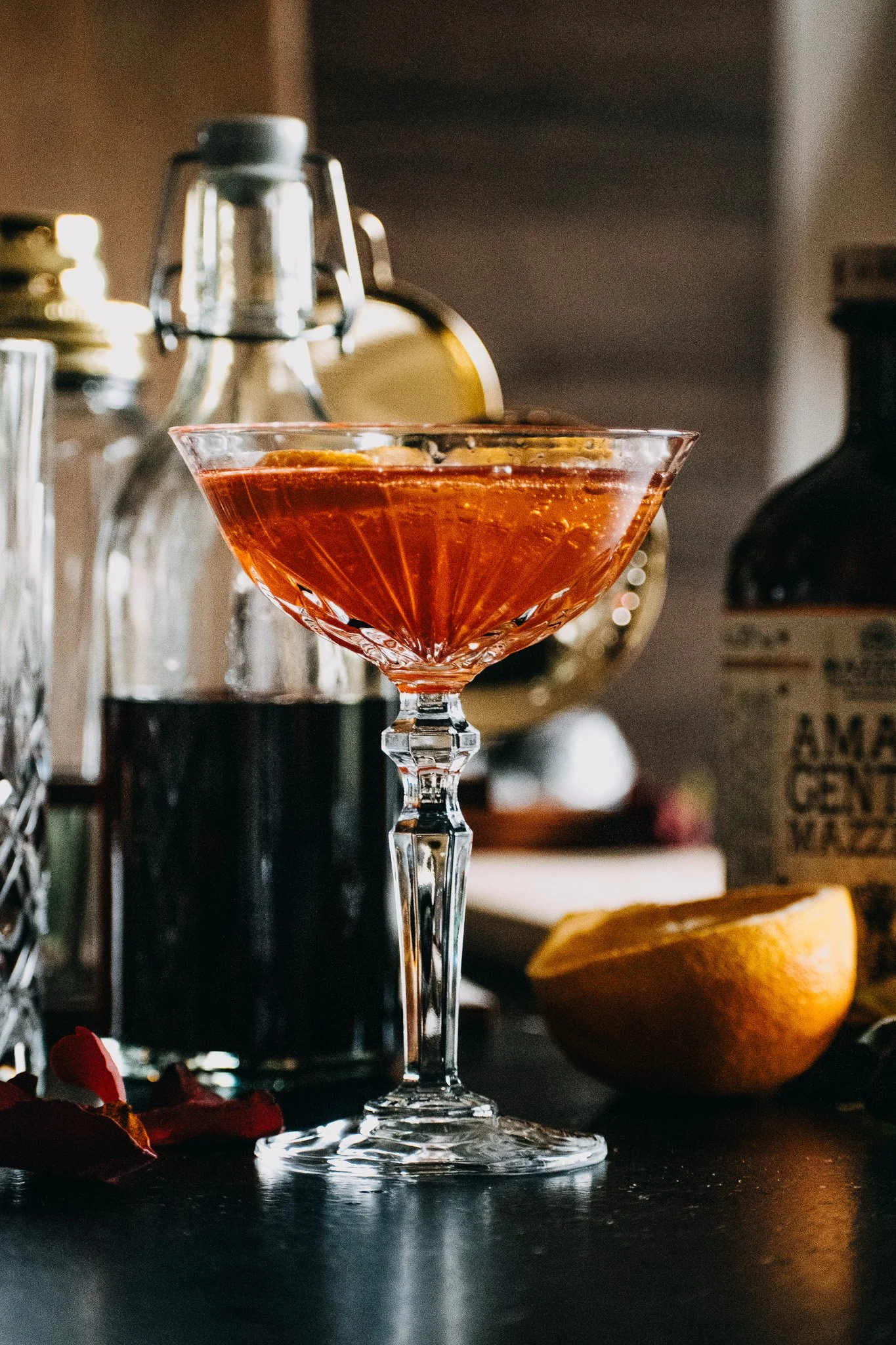
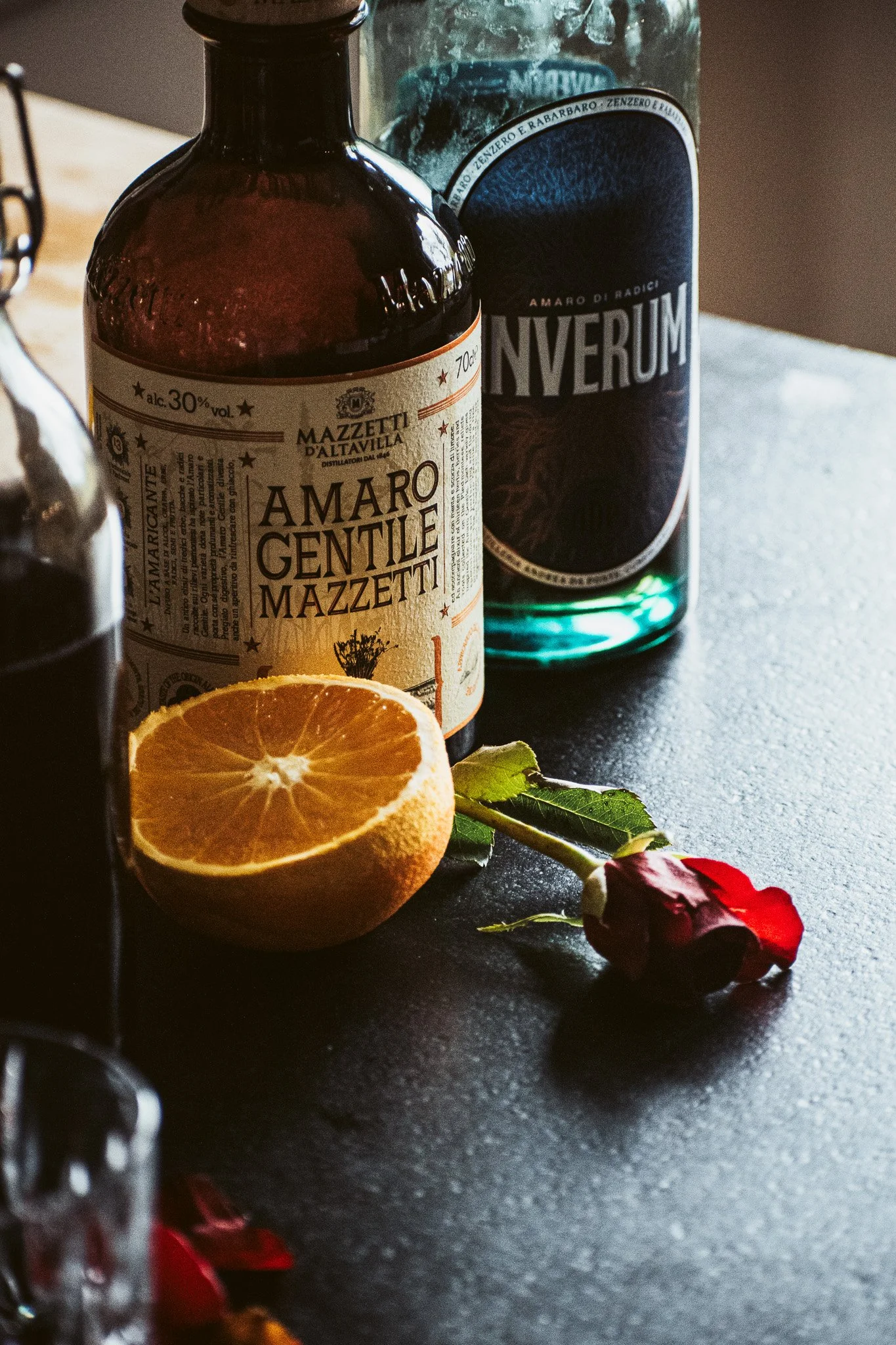
A moodier, fruitier twist on the Italian classic.
Ingredients
30 ml sloe gin
30 ml gin
30 ml Campari (or amaro of choice)
30 ml dry vermouth
Orange slice and/or twist (optional)
Rosemary sprig (optional)
In a cocktail shaker, add ice, sloe gin, gin, amaro and vermouth.
Squeeze an orange slice or add a couple drops of orange bitters.
Shake or stir until combined.
Pour into a highball glass and garnish with an orange twist and rosemary
“Spagliatto” (properly Sbagliato, meaning “mistaken”) replaces the gin with prosecco.
Ingredients
30 ml sloe gin
30 ml Campari (or amaro of choice)
30 ml sweet vermouth
Top with prosecco
Orange or grapefruit slice (optional)
Fill and wine glass or coupe class with ice.
Pour in sloe gin, amaro and vermouth, stir gently
Add prosecco and garnish with a citrus slice
Amaro is my favorite type of alcohol.
It’s what happens when someone looks at a perfectly good alcohol and thinks, “You know what this needs? Bark, roots, and dirt.” But it works.
Amari (plural, because of course Italians had to make it sound romantic) are beautifully complex. You can line up five bottles and get five completely different personalities, similar to many of your exes.
Here are my top 5:
Cardamaro – soft, herbal, slightly wine-like with notes of sage, dried fruits and ginger
Amaro Nonino - elevated, herbal and citrusy
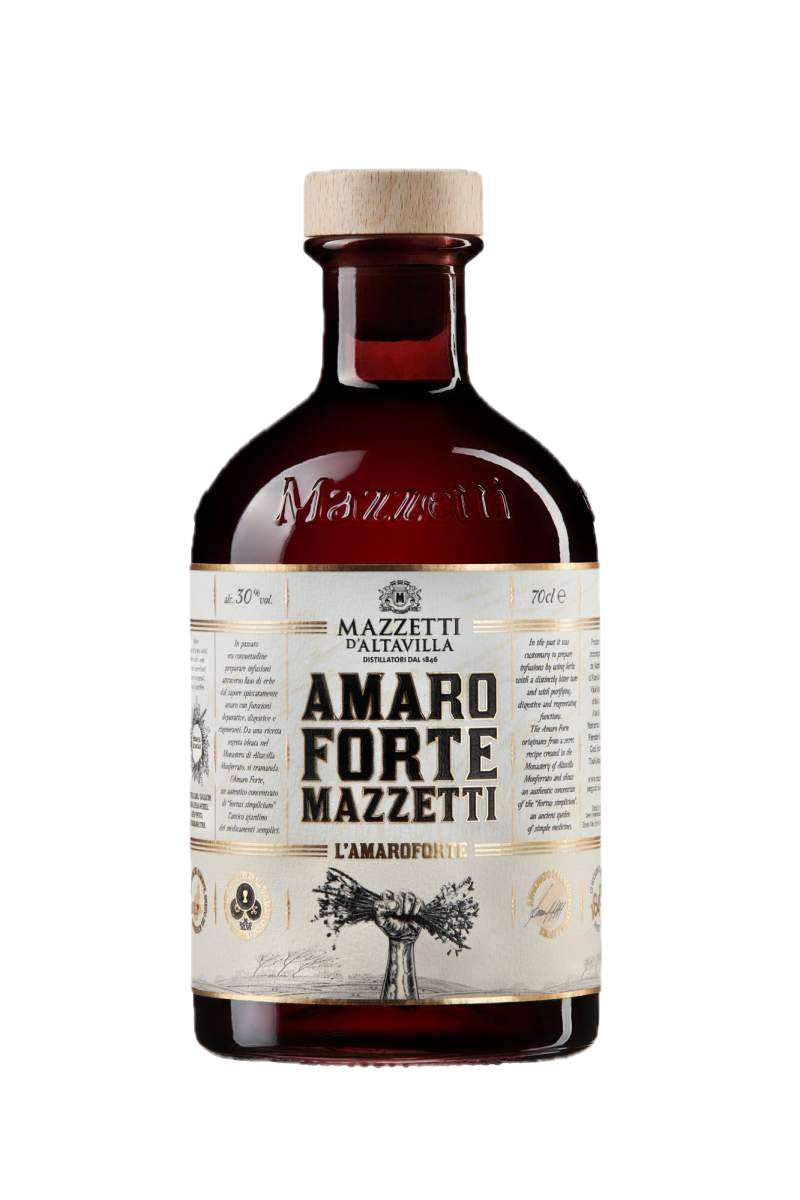
Amaro Mazzetti – balanced, classic, with notes of liquorice and sweet greens
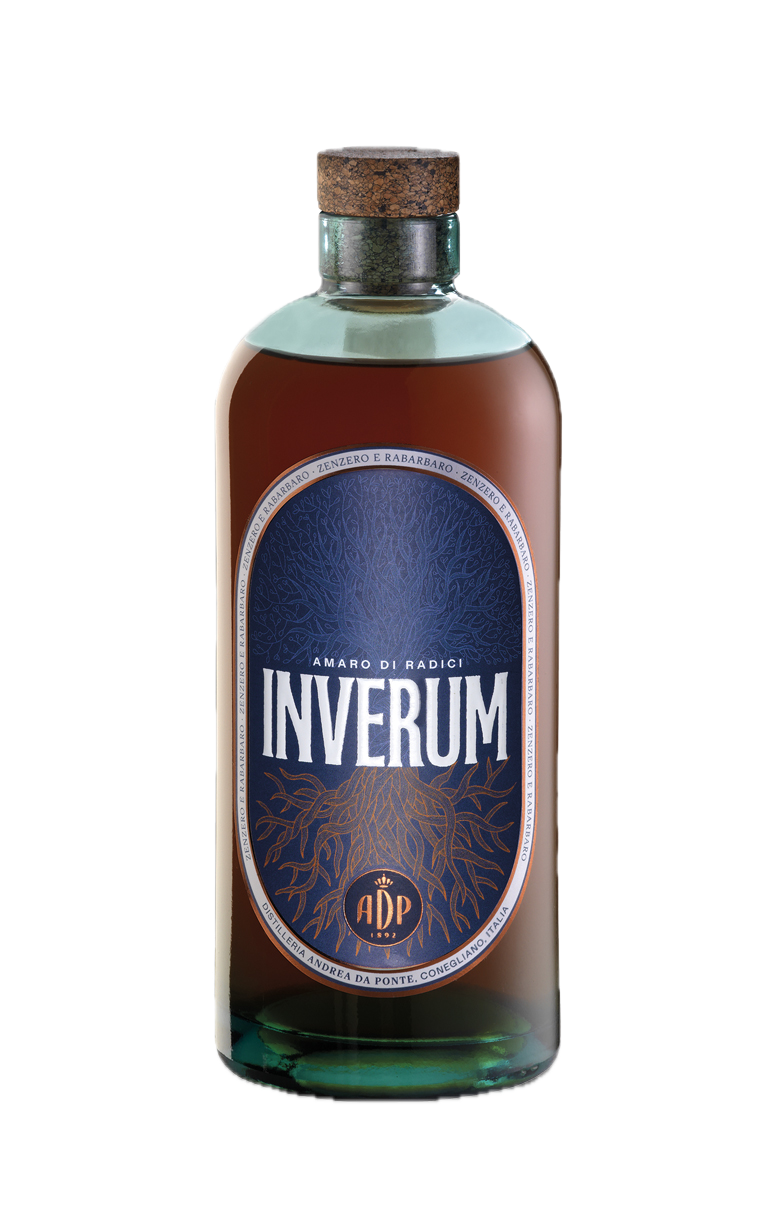
Amaro di Radici – earthy, with notes of ginger, rhubarb and orange
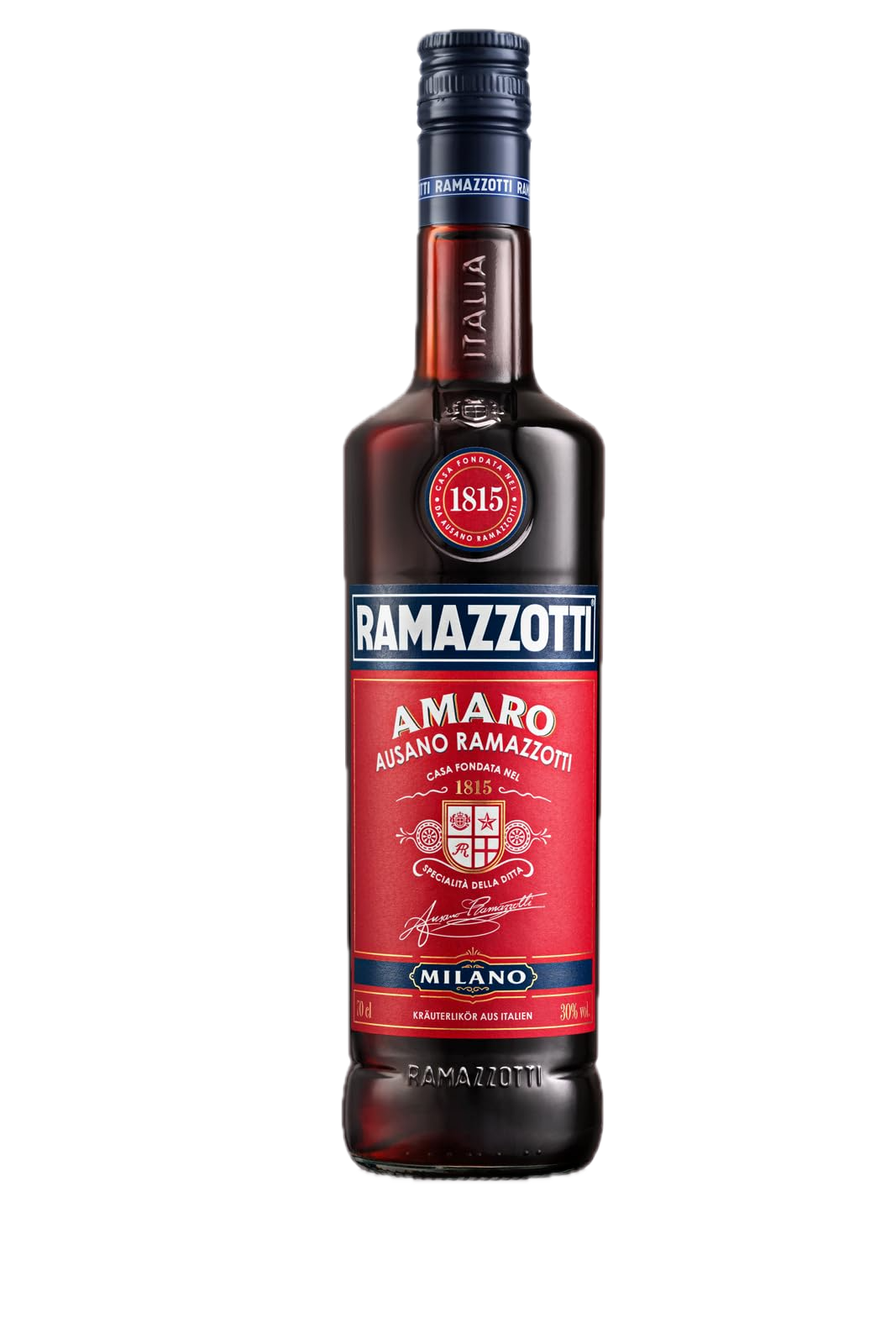
Ramazzotti - notes of orange, cardamom and root beer
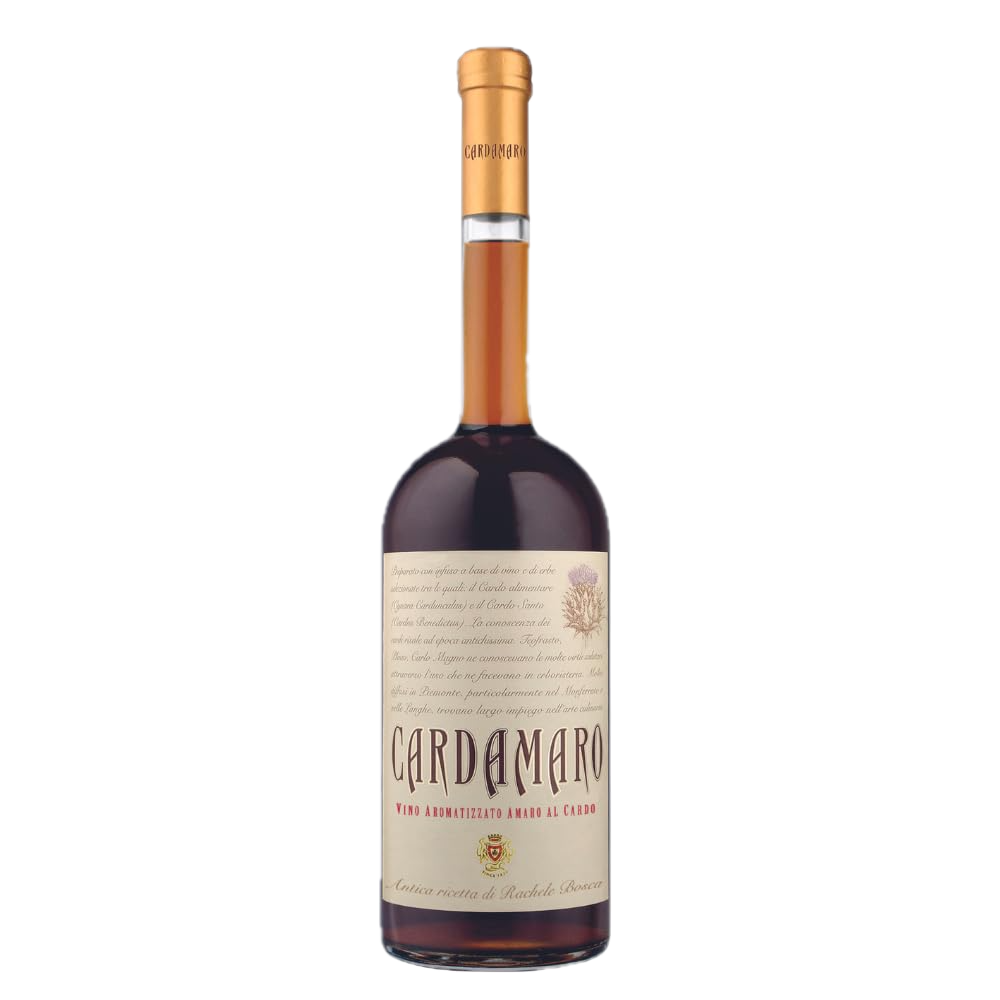
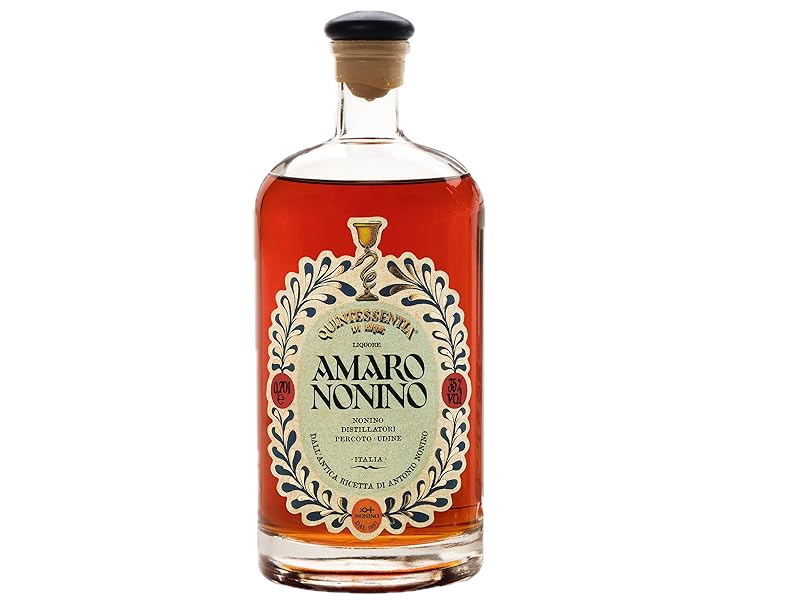
Common classics: (and easy to find around the world)
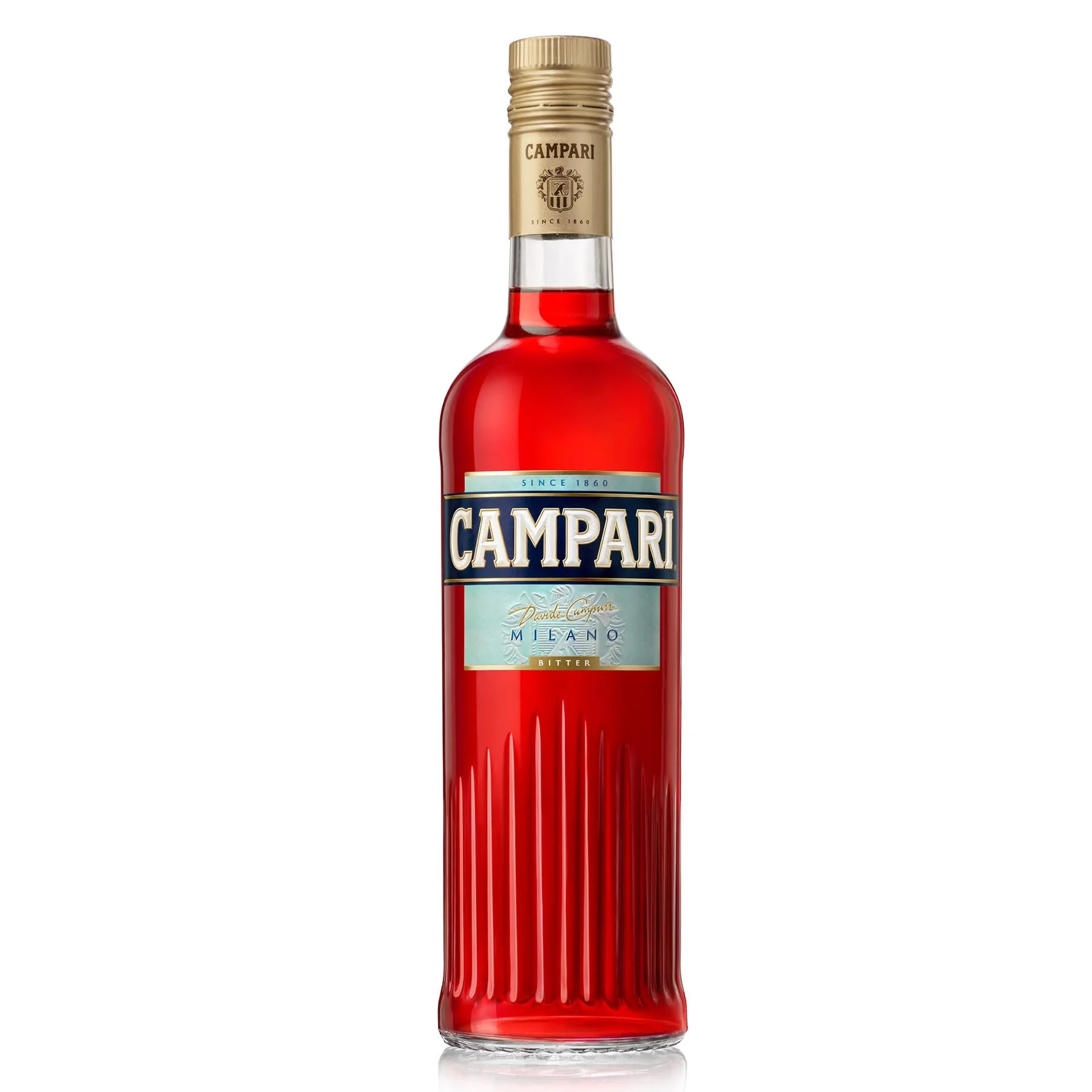
Campari – a beloved bold and bitter, iconic amaro that has been the backbone of many aperitifs around the globe.
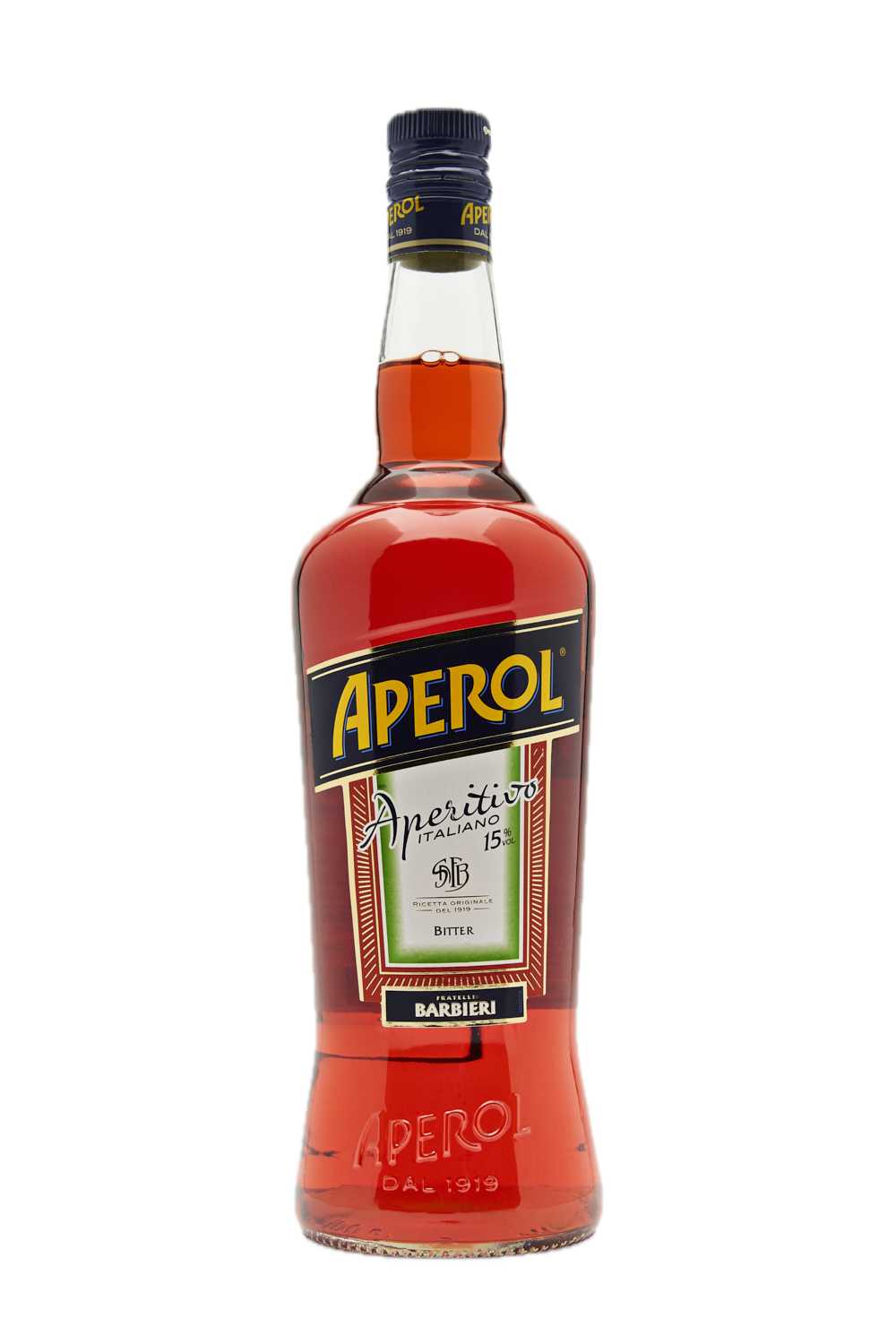
Aperol – timeless classic that is certainly making it’s way back into our lives with the popular Aperol Spritz. Aperol is lighter, brighter, and dangerously easy to love